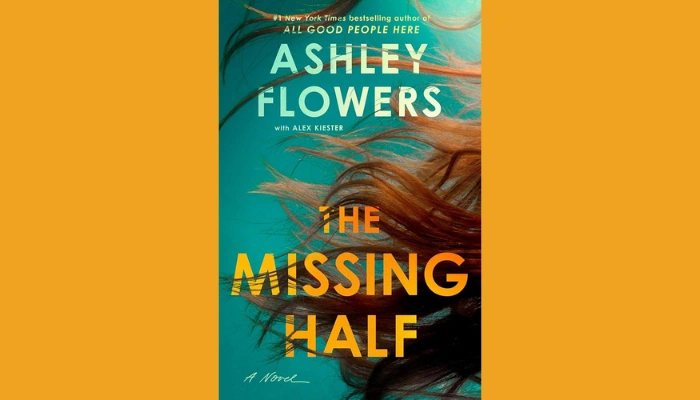
“The Missing Half” is more than just a book title — it’s a concept that resonates with anyone exploring identity, relationships, and self-discovery. In today’s fast-paced world, many of us feel like something is incomplete, a part of our lives or ourselves is missing. In this article, we will explore what The Missing Half truly means, its symbolism, and how understanding it can impact personal growth, relationships, and emotional wellbeing.
Content
What Does “The Missing Half” Mean?
At its core, The Missing Half represents the feeling of incompleteness, whether in oneself or in life circumstances. It is often used to describe emotional voids, unresolved trauma, or the search for something that completes a person. The term also appears frequently in literature and psychology to illustrate the human desire for connection and fulfillment.
For example, consider siblings separated at birth or long-term friends drifting apart — the sense of absence they experience mirrors the symbolic meaning of this book. Understanding this concept can be enlightening, helping us navigate relationships and personal challenges more mindfully.
The Symbolism of The Missing Half
Symbolism plays a crucial role in deepening the impact of The Missing Half. Here are some key aspects:
Emotional Wholeness: It reflects the innate human desire to feel complete. Many people identify a “missing half” in romantic partners, friendships, or even in creative pursuits.
Self-Discovery: The journey to find this often involves self-reflection and personal growth. Asking ourselves what is absent can lead to greater clarity and purpose.
Relationships and Connection: The Missing Half is also a metaphor for how relationships can fill emotional gaps. A balanced partnership can mirror growth, trust, and mutual understanding.
In literature, authors use The Missing Half symbolism to highlight character evolution, show inner conflicts, or emphasize societal themes such as loss, redemption, or identity.
Psychological and Philosophical Interpretations
From a psychological perspective, The Missing Half can signify unresolved trauma, loss, or unmet needs. It invites introspection about personal desires and emotional deficits. Philosophically, the concept ties to ideas of duality — the yin and yang, the balance between body and soul, and the search for completeness in life.
A practical application of this concept is in therapy or self-improvement exercises. Asking questions like:
What feels missing in my life?
How do my relationships influence my sense of wholeness?
What steps can I take to bridge this gap?
These reflections can help people connect with their emotional needs and make informed life choices.
How Understanding This Can Improve Your Life
Understanding The Missing Half isn’t just theoretical; it has real-life benefits:
Enhanced Self-Awareness: By identifying what is “missing,” you can recognize patterns in behavior, triggers, and emotional responses.
Stronger Relationships: Recognizing gaps helps in building healthier connections, avoiding dependency, and fostering mutual growth.
Improved Decision-Making: Awareness of your missing elements can guide career, personal, and creative decisions that align with your true needs.
Real-Life Case Study: Anna’s Journey of Self-Discovery
Anna, a 32-year-old graphic designer, always felt incomplete despite having a successful career. She often described her life as “a puzzle missing its central piece.” Through journaling and reflection, Anna realized that her sense of incompleteness stemmed from suppressed creativity and lack of meaningful social connections.
By exploring personal hobbies, reconnecting with friends, and volunteering in community art programs, Anna began to fill her emotional gaps. She described the transformation as finally discovering her missing half, which brought a renewed sense of purpose, joy, and emotional balance.
This example shows how understanding The Missing Half in personal growth can lead to tangible improvements in life satisfaction.
Common Misconceptions About This
It’s Only About Romantic Partners: While often associated with love and romance, The Missing Half applies to many areas — career satisfaction, friendships, and personal fulfillment.
It Can Be Found Externally: True completeness begins internally; external relationships may complement but cannot entirely fill emotional voids.
It Has a Single Solution: Everyone’s missing half is unique. Reflection and personal exploration are key, rather than following someone else’s path.
Why It Resonates with Readers
The concept strikes a chord because most people have experienced some form of incompleteness. Books, therapy, and reflective practices often explore what does The Missing Half mean in life. It’s a universal idea that encourages readers to pause, introspect, and evaluate life choices.
Whether it’s discovering latent talents, nurturing relationships, or healing past wounds, The Missing Half offers a framework for emotional and personal growth.
Final Thoughts
Exploring The Missing Half allows readers to better understand themselves and their relationships. It is a concept rich in symbolism, psychological depth, and practical relevance. By reflecting on personal gaps, recognizing emotional voids, and taking intentional steps toward fulfillment, anyone can experience a sense of wholeness and life satisfaction. Remember, finding your missing half isn’t about perfection — it’s about awareness, growth, and connection.
If you enjoyed exploring deep emotional journeys in The Missing Half, you’ll also love our review of The Diamond Eye.
FAQs
What is The Missing Half about?
It’s a gripping story exploring identity, loss, and emotional growth through compelling characters and their personal journeys.
Is The Missing Half a sequel?
No, It is a standalone novel and does not continue any previous story.
What is Colleen Hoover’s darkest book?
While subjective, many consider this one of her darker, emotionally intense novels.
Is The Missing Half connected to All Good People Here?
No, It is not connected to All Good People Here; each story is independent.
Jay’s the resident literary connoisseur. He dissects classics and uncovers hidden gems. Expect his insights to enrich your reading journey, one page at a time.

 by
by